Back Muscle Exercises
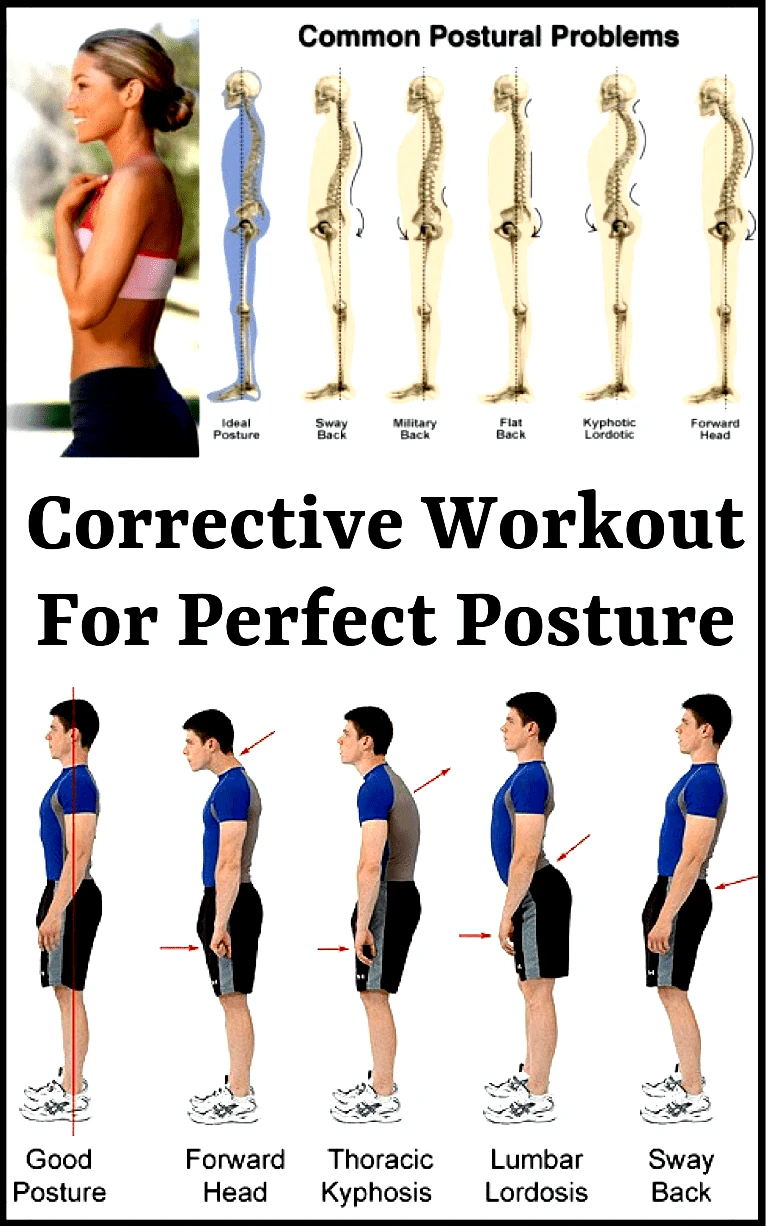
Improving sitting ability is related to the back muscles, which are the main center of body support. Back muscle exercises can be very effective in improving posture and preventing back pain. When these muscles are strong and flexible, they support the back and prevent injuries and pain.
Simple exercises like bends and balanced areas can strengthen the back muscles and improve posture. Also, exercises performed with a fitness ball or resistance bands can be effective in aligning the back and strengthening the core muscles.
These exercises can be part of a comprehensive fitness plan aimed at improving back support and preventing pain and injuries. Not only will the back muscles be strengthened, but they will also improve sitting ability and the ability to maintain a perfect and healthy back.
Exercises for Lips and Neck
The lips and neck are two important components of the body that need to be nurtured and strengthened in order to improve our posture and maintain our health. Here is a series of simple exercises that can be done at home and anywhere.

Exercise 1: Lip Spin
Place both lips on each lower tooth and rotate clockwise for 10 seconds. Repeat this exercise 10 times.
Exercise 2: Head Tilt
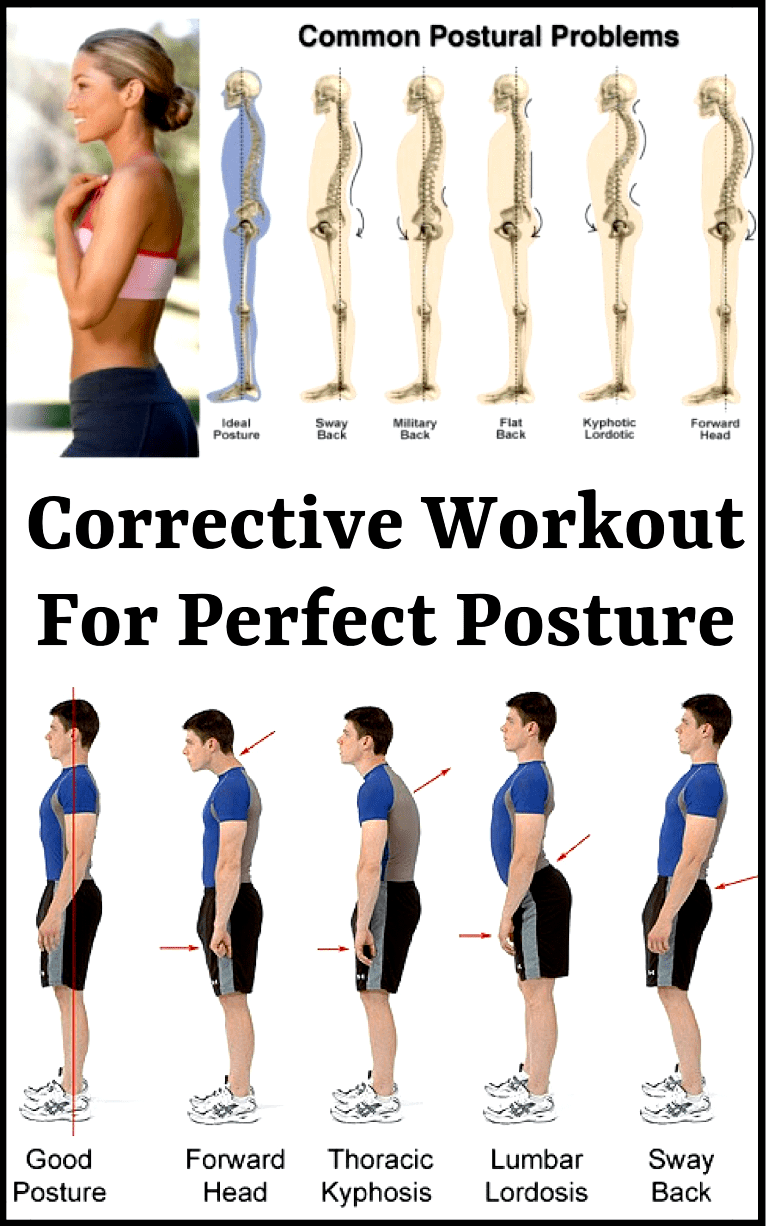
It is important to consider the chair you are sitting on in order to improve your posture
Noa Gold – Health and Self-care Specialist
Tilt your head to the sides and keep your shoulders low. Return to the center and then to the other side. Repeat the exercise 10 times.
Exercise 3: Head Rotations
Rotate your head clockwise 5 times, and then counterclockwise. Do 10 rotations in each direction.
It is recommended to perform these exercises daily to strengthen the lips and neck and improve our posture. Remember that strengthening the muscles in this area can lead to overall improvement in our settlement ability and concentration. Good luck!
Pilates Exercises for Stability
Pilates exercises are an excellent option for improving stability and strengthening the muscles involved in body control. With a series of special exercises, you can improve your ability to maintain stability while sitting and in general. Here are some simple exercises that can help:
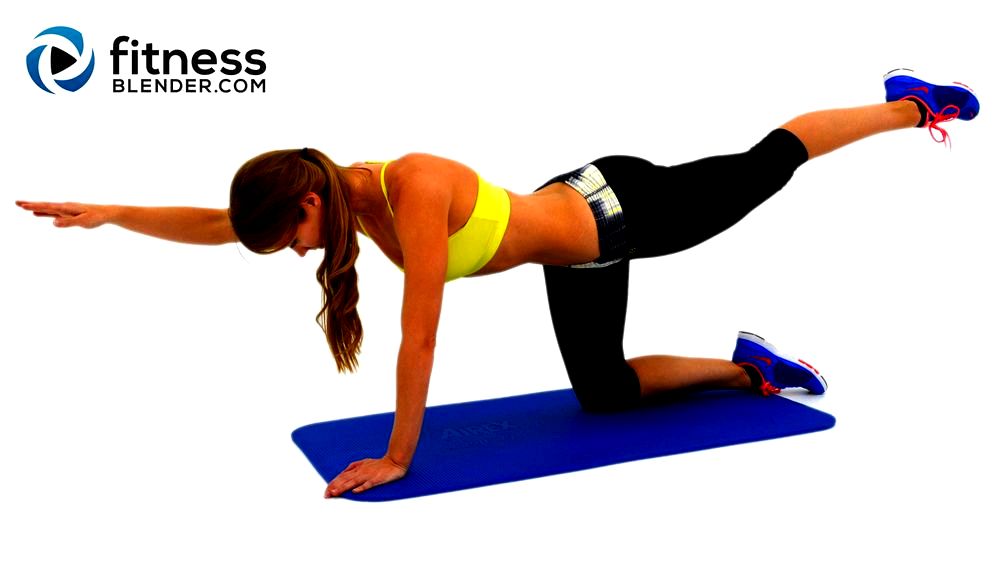
- Plank Exercise: Start by lying on the floor and place your palms on the floor. Lift your body and legs off the ground and try to maintain stability for 30 seconds.
- Bridge Exercise: Open your legs, place your hands on the floor, and take a deep breath. Lift your body and try to raise your legs off the floor, maintain stability, and return to sitting position.
- Rowing Exercise: Open your legs and keep a small distance between them. Raise your arms upwards and try to move your body to the side. Return to the center and back to sitting position.
These exercises require some patience and perseverance, but over time you will feel the improvement in your ability to maintain stability and feel the muscles involved in stability working hard and strong.
Abdominal Muscle Training
1. Plank: Place your body on your palms and lift your body in a straight line above the floor. Sitting will strengthen your abdominal muscles and improve your posture.
2. Side Plank: Your basic position is on your palms, move your weight to the right side and maintain a straight line from shoulders to legs. Sitting will strengthen your oblique abdominal muscles.
3. Crunches: Lie on your stomach, lift your body and maintain a straight line from shoulders to legs. Maintain the sitting position for a few seconds and return to the initial position.
4. Crunch: Lie on your back and lift your legs to the sky. Try to touch the ground with your hands. Maintain the sitting position and return to the starting position.
5. Leg Stretch: Lie on your back and lift your legs to the sky. Maintain a straight posture and return to the starting position. Remember to align your knees and maintain proper breathing.
Exercises to Improve Running Ability and Perseverance
Running is a physical activity that provides us with not only physical exercise but also a sense of well-being and improvement in physical fitness. In this article, we will present you with some exercises that will help you improve your running ability and maintain perseverance in training.
Consistent movement throughout the day can reduce back pain risk
Roni Cohen – Fitness and Nutrition Guide
1. Speed Running: Start with a slow pace and gradually increase the pace until you reach maximum speed. Try to run at this speed for a few minutes and then slow down until you return to your regular pace.
2. Interval Running: Run at a regular pace and then increase the pace to a very high level. Return to the regular pace after a few minutes and return to the high pace.
3. Running with a Swing: Run at a regular pace and with each step, swing your hands strongly upwards. Try to maintain the number of swings even when you start to get tired.
4. Hill Running: Practice running uphill to strengthen your muscles and improve your perseverance. Try to increase the pace with each uphill you run.
5. Long-Distance Running: Try to run a long distance at a regular pace and maintain a constant pace throughout the distance. This practice will help you improve your perseverance and train for longer distances.
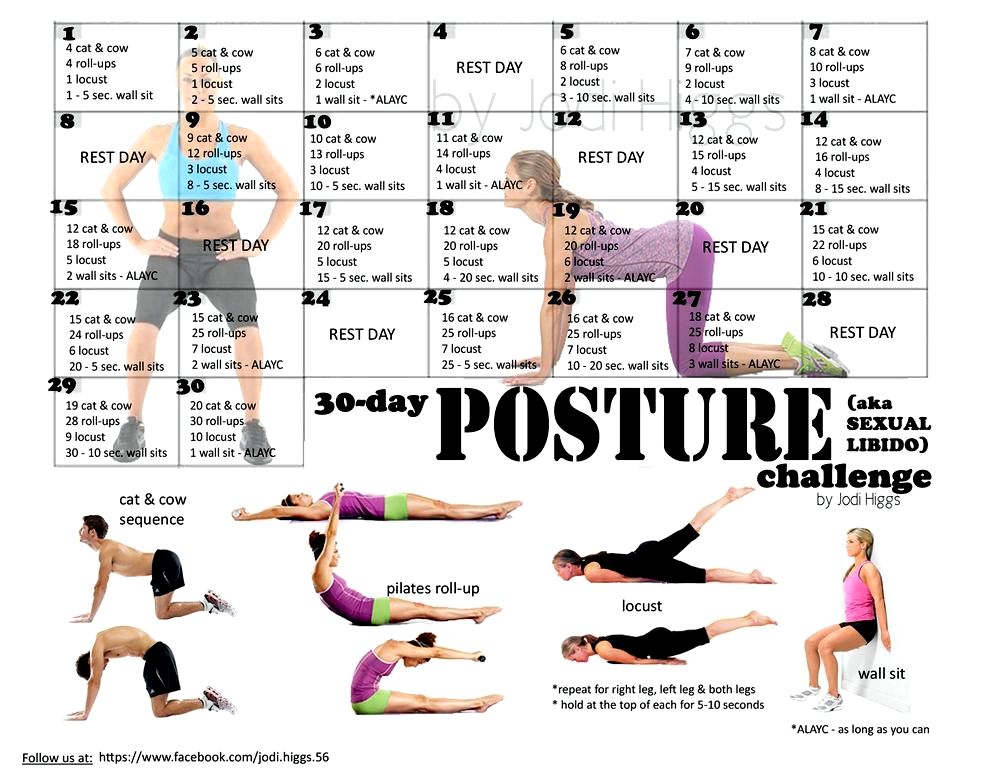
In conclusion, remember that practice is the key to improving running ability and perseverance. Follow these exercises and persist, and you will see a quick improvement in your running ability.
Series of Exercises for Hips and Thighs
Exercise 1: Start by lying on your back and straighten your thighs. Maintain a natural arch angle in your feet and apply force in your abdomen.
Exercise 2: The hip tilt will help your hips relax and strengthen. Raise both hands upwards and apply force in your abdomen.
Exercise 3: Sit on a fitness ball and try to maintain balance. This will strengthen your hips and improve your stability.
Practice sitting for short periods and standing up and stretching
Ido Cohen – Personal Fitness Trainer
Exercise 4: Stand on one leg and try to maintain balance. Focus on the balance point and apply force in your abdomen to cope with the challenge.
Exercise 5: Take a few square rotational steps and apply force in your hips. Pay attention to the knee angle and apply force in your abdomen.